Garmin Edge 840 Solar Review: A Bike Computer on a Brompton P Line
Gear · Published 7/31/2023 ·
Why would anyone need a bike computer?
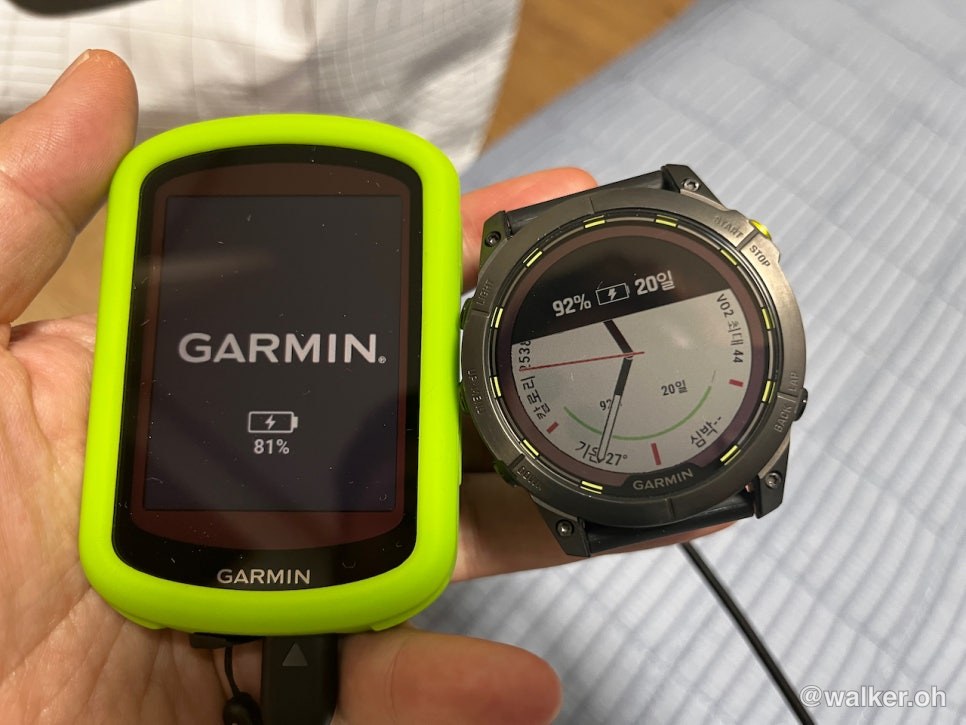
I’ve been using a Garmin Enduro 2 sports watch for a while now. It can do most of what a dedicated bike computer does. But the screen isn’t big enough to glance at your current speed mid-ride, let alone read a map. And more importantly, lifting your wrist to check info while riding is a recipe for trouble.
Okay, fine… but seriously, why does a bike need a speedometer?
A bike computer is, generally speaking, a device that shows you your speed — but it can pull a lot more data than you’d expect. A bicycle is a means of transport to some people, a hobby to others, and a tool for staying healthy to others still.
Was today a hard ride? How much rest do I need today to be ready to ride tomorrow? How much water should I be drinking day to day? You need more fluids on the bike than you’d think — but how much, exactly? A Garmin Edge collects all of this and analyzes it for you, kind of like hiring a personal trainer to help you work out more efficiently. Honestly, used that way, I think it earns its keep.
Bang for the buck? …Eh, not really.
It’s not great value, I’ll be honest. Then again, is anything in this world both cheap and good? Sure, there are plenty of cheaper computers like Bryton, and plenty of devices that can pull your data. Plug into an analysis site or pay for a Strava subscription and most of that gets handled too. But… I’m a guy in my forties, and I have to carve out tiny slivers of time just to write a blog post like this one. In other words, I don’t have the time — or barely have it — to research what’s good and what’s cheap. So what then? There’s an answer. You just make a choice that won’t get you in trouble anywhere.
Take cars, for example. There are models like the Hyundai Sonata, the BMW 5 Series, the Mercedes E-Class — practically global standards, sold in enormous numbers. No matter what goes wrong, there’s a huge user base and a mountain of data, so it’s easy to get help and the solutions are out there. And those solutions naturally get shared with and applied to people who don’t really know what they’re doing.
So options that even a clueless person can pick without much risk are already halfway to a win. And just because a new driver can’t use even 10% of an E-Class’s performance, that doesn’t mean Mercedes sells a version with only 10% of the performance built in — the rest is up to the user. If anything, using less of that performance means relatively less wear on the thing.
Anyway, back to the point…
People say Garmin isn’t good value. I don’t really know much about any of this, so I just went with the “when in doubt, Garmin” advice and bought one. When you don’t know… go with the famous one.
The added value of expensive things…
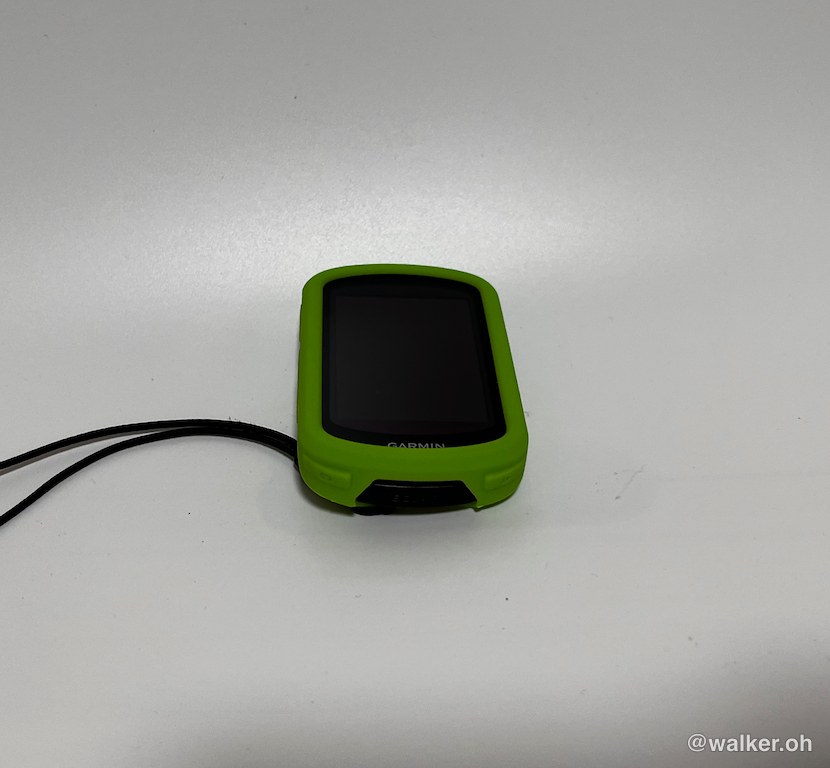
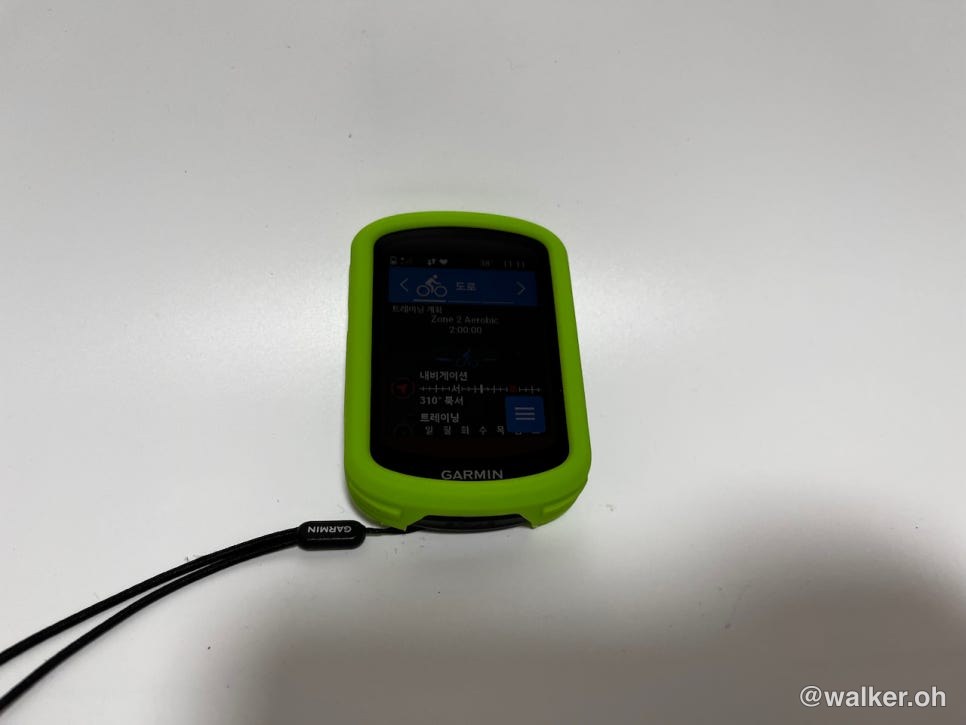
The only way to maximize the value of something you’ve chosen is to use it a whole lot. If it breaks or dies along the way, that value ends right there. Some people slap a case on their phone, some run it bare — everyone’s different, and so is the value each person gets out of it. Personally, I skip the screen protector, but I went with a third-party silicone case, which felt like a reasonable(?) middle ground.
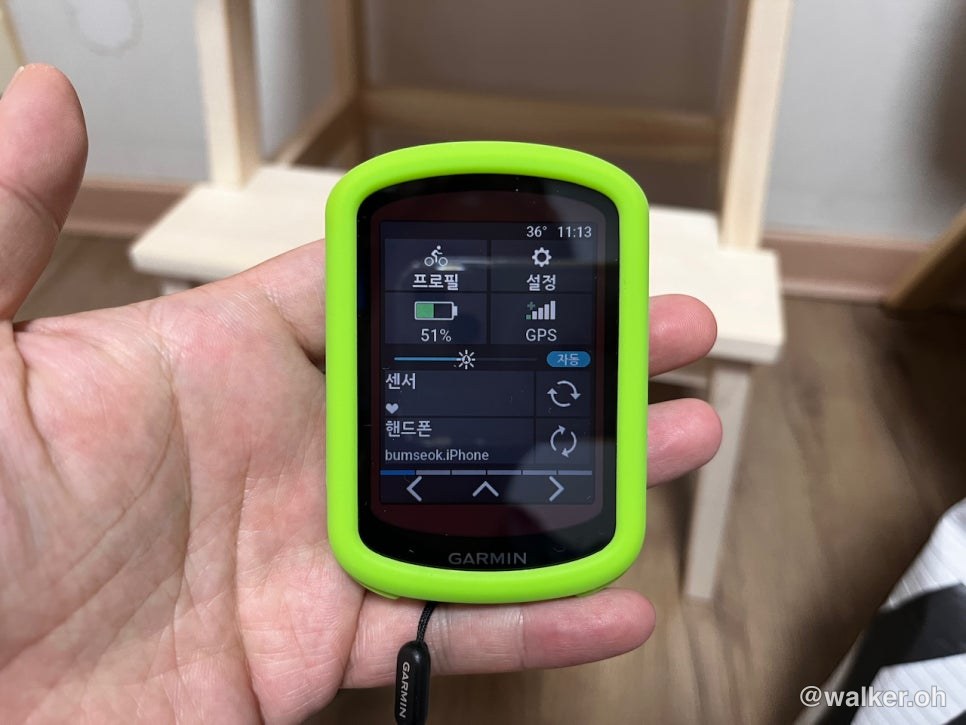
Garmin Edge 840 Solar — does solar charging actually help me?
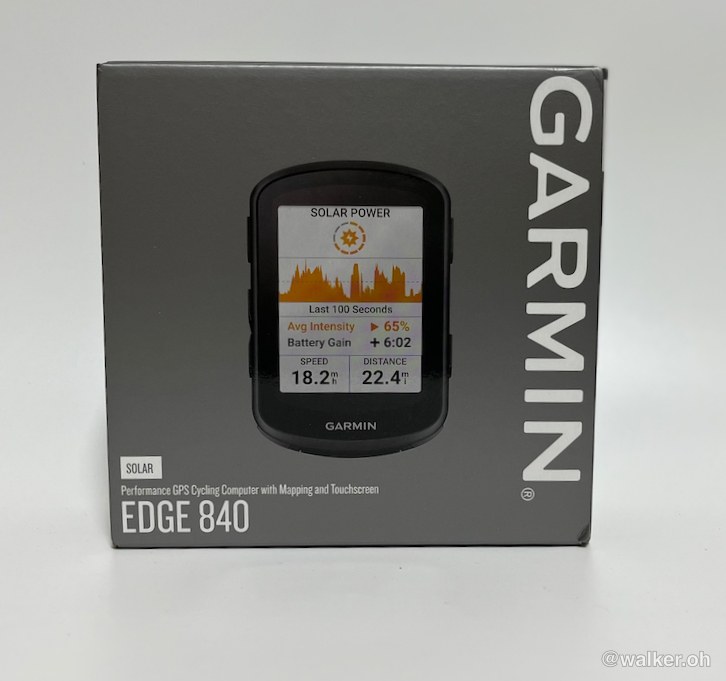
The packaging makes the decision genuinely hard. The 840 bundle comes with three things: a speed sensor, a cadence sensor, and a heart rate sensor. That makes it a good fit for people just getting started. I briefly used a model called the 530 a while back, and that was a bundle pack too. This time, since my Enduro 2 can transmit heart rate over ANT+, I ordered a third-party cadence sensor separately and went with the Solar model instead. The thing displays speed via GPS anyway, and the accuracy is better than you’d expect. So the answer was already decided. A Solar model that frees you from battery anxiety for even one extra hour is actually the better value. And for folks like me who don’t own a Garmin watch, if you buy the sensors separately, you can keep it to the Solar model plus a heart rate sensor and a cadence sensor without much of a cost bump.
Some people say, “The battery lasts ages, I’m never riding more than 1,000km between charges anyway, so wouldn’t the regular model be fine?” — and they’re right. So I asked the retailer, and apparently they ship roughly 50:50. The choice is the buyer’s. There’s no right or wrong answer.
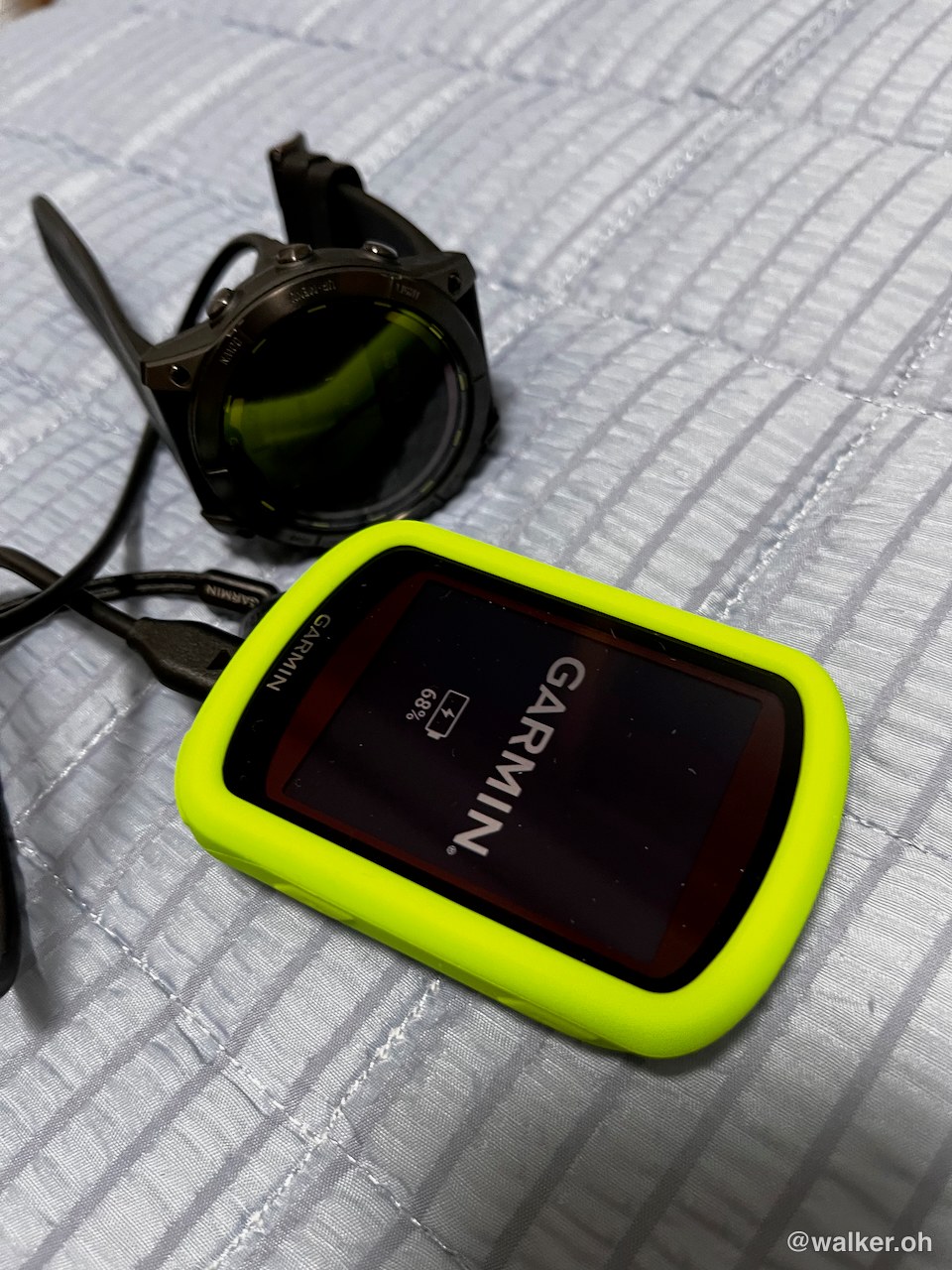
Stop buying anything that doesn’t charge over USB-C~
If manufacturers won’t respond, consumers can. Right now, aside from that wretched iPhone 13 mini, every charging system I own uses a USB-C interface. Products that still use micro 5-pin and the like — seriously, don’t buy them anymore. I won’t use one even if it’s free, because I’m not about to add to my charging headaches.
The entire 840 Edge lineup uses USB-C. People say it’s way overdue, though.
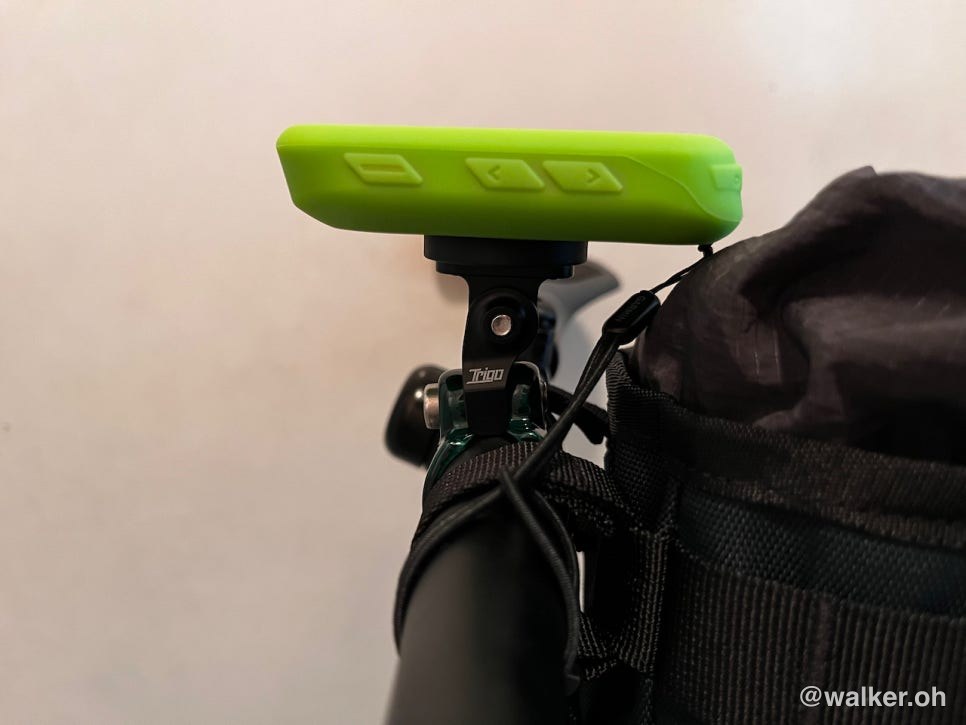
Previous image Next image
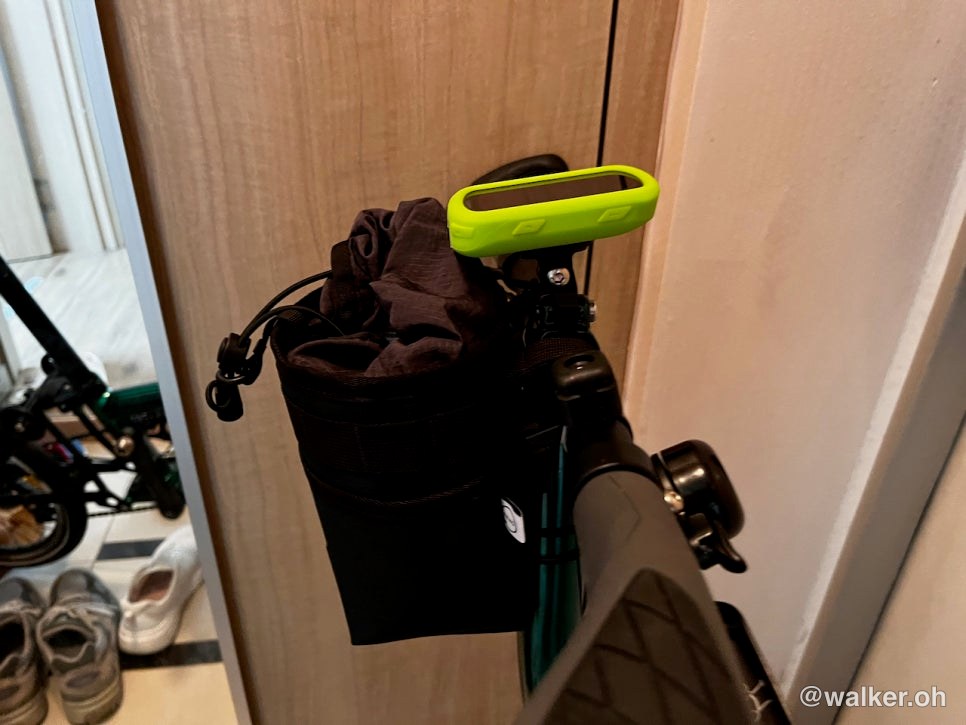
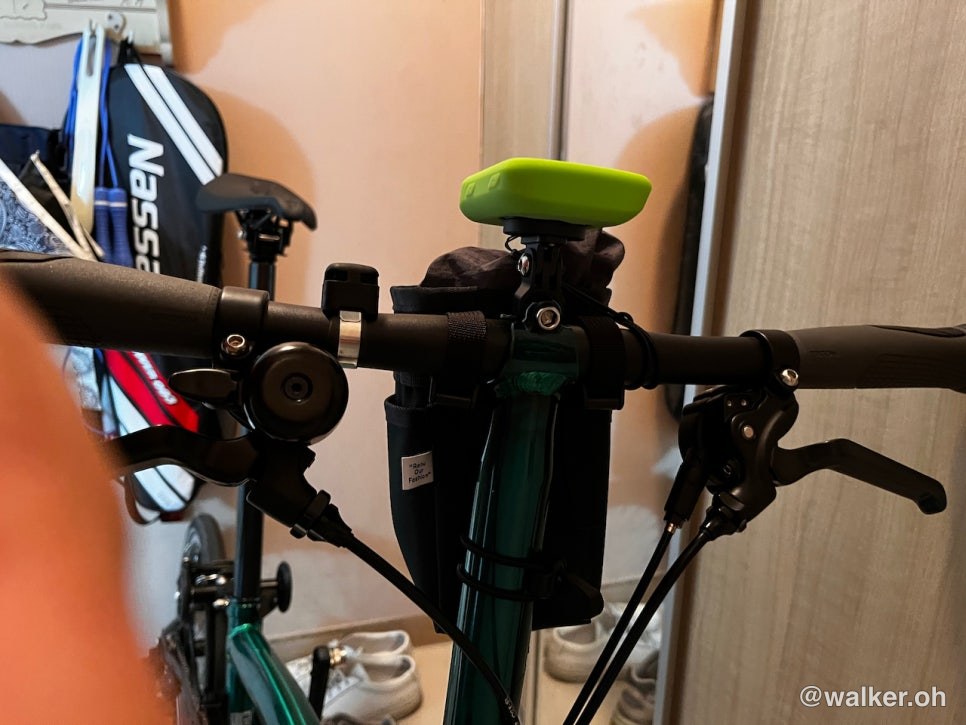
A bike computer on a minivelo that doesn’t even go fast??
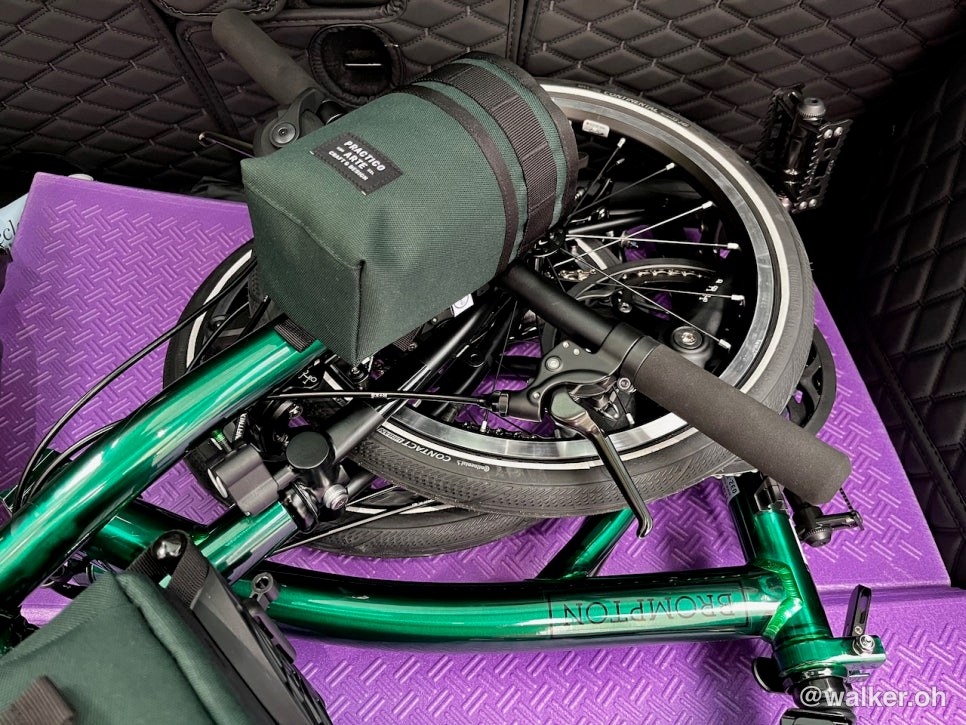
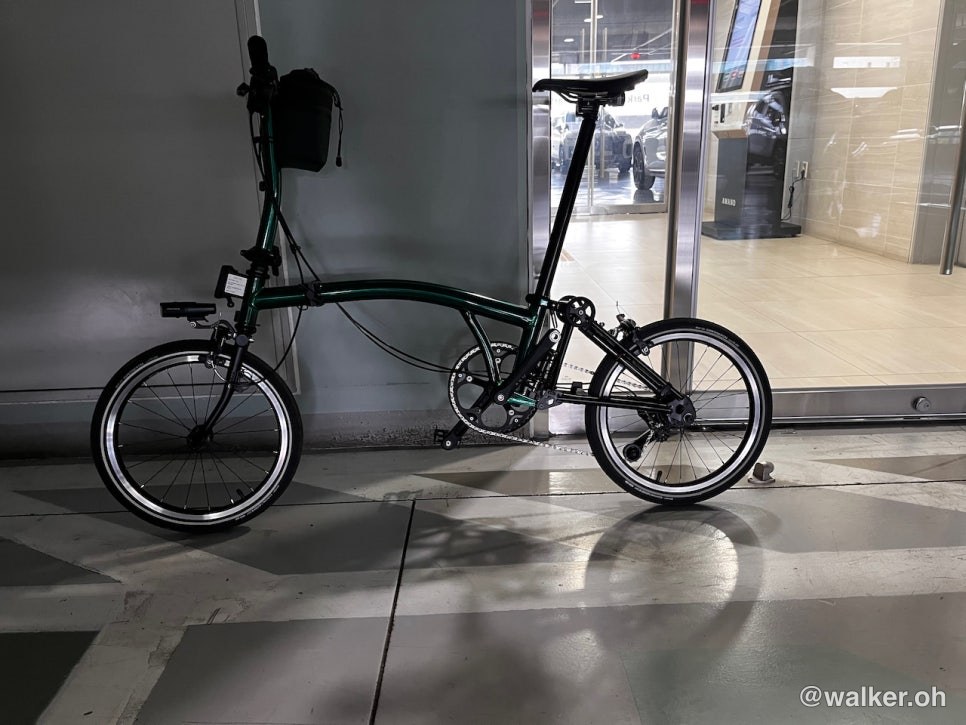
This was the question I got the most, and it’s a bit of a jab. Why would a leisurely little minivelo need a speedometer, let alone a tail light with radar built in… It’s both right and wrong. There are people who can’t hold a 25km/h average even on a road bike worth over 10 million won. My Brompton P Line is set up to cut air resistance as much as possible, and it’s a bike you can fold and carry off in a pinch — no fussing with cleats like a road bike, no pulling the wheels to cram it in the trunk, no kitting up, no chugging an energy drink, none of that hassle. You can just enjoy it lightly. On the flip side, it’s way slower than a road bike, and there’s a ceiling on the speed you can squeeze out of 16-inch wheels… But a road bike’s weaknesses become the Brompton’s strengths, and the Brompton’s weaknesses become the road bike’s strengths. I’m happy just to wring the maximum efficiency out of a minivelo — and to do that, I want to track my workout data, manage my fitness, tweak my diet, and put all kinds of data to use.
A lot of people riding Bromptons or other minivelos hesitate to transplant the computer they used on their road bike or buy a new one — and I did too. But everyone’s spending their own time and money to work out and have fun, so why does it matter what anyone else thinks? We’re each burning our own precious hours, so I figure you should just do what you want to do.
I wrote up above about wringing the maximum efficiency out of a minivelo… but it keeps getting heavier and heavier lol.
Writing this post, I’m now eyeing a Varia all-in-one dashcam tail light that just went on sale… haha.
Thank you.
#GarminEdge #Garmin840 #BromptonPLine #Bromptonbikecomputer #bikecomputer #Bromptontuning #minivelobikecomputer
Contact: bumseok.view [at] gmail [dot] com

Comments