Hiking Gear Essentials: A Beginner's Guide to Summer, Winter & Backpacking
Camping · Published 12/24/2022 ·
Here’s a rundown of what you’ll need when you’re just getting into hiking.
Get yourself properly set up, and I hope you have a great time out there.
Summer Clothing
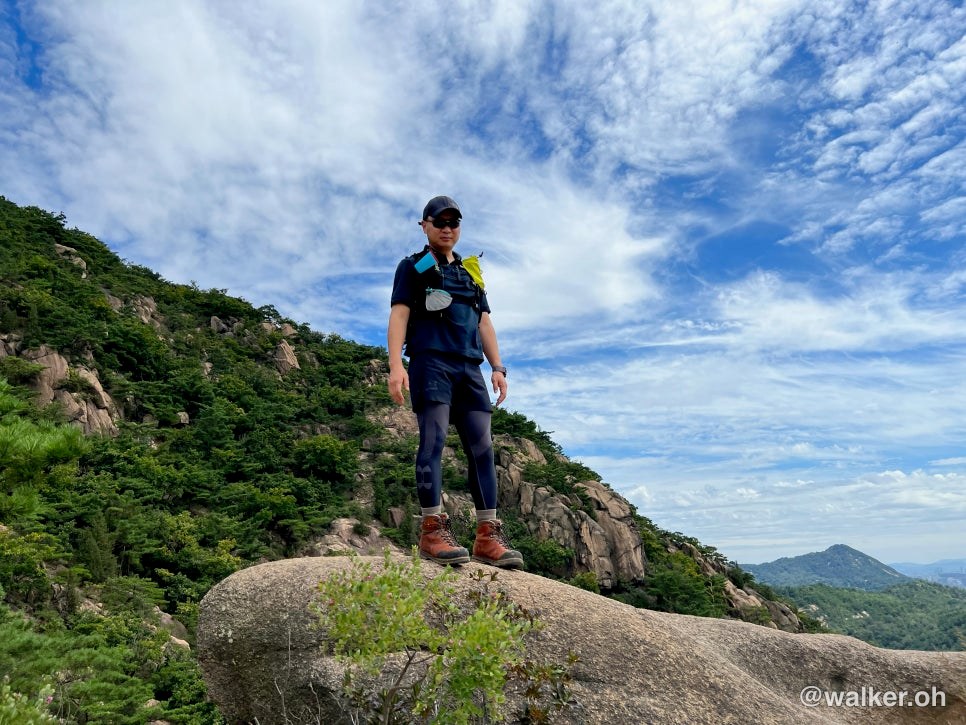
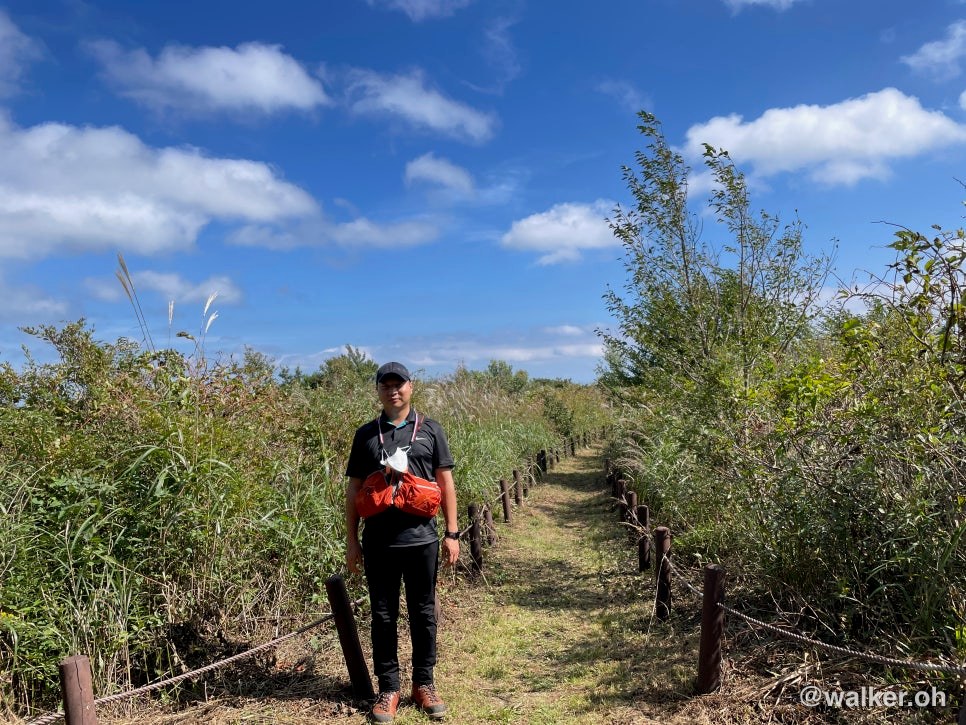
When it comes to summer hiking, clothing is mostly about wicking moisture and drying fast.
Comfortable shorts or leggings, a functional top, a hat to block the strong UV rays, plus sunglasses or goggles.
And a light jacket to cut the wind when you’re resting at the summit — that’s really all you need.
Throw in some gloves, a functional handkerchief to wipe away sweat, or even a swim towel, and your hike gets a whole lot more comfortable.
It doesn’t have to be a dedicated hiking brand — as long as the clothing is functional, I think you’re good to go.
It depends on how far you’re going, but I tend to recommend trekking poles. They get the muscles in both your upper and lower body working evenly,
and they’re an important piece of gear for taking the load off your knees and ankles.
Previous image Next image
Winter Clothing
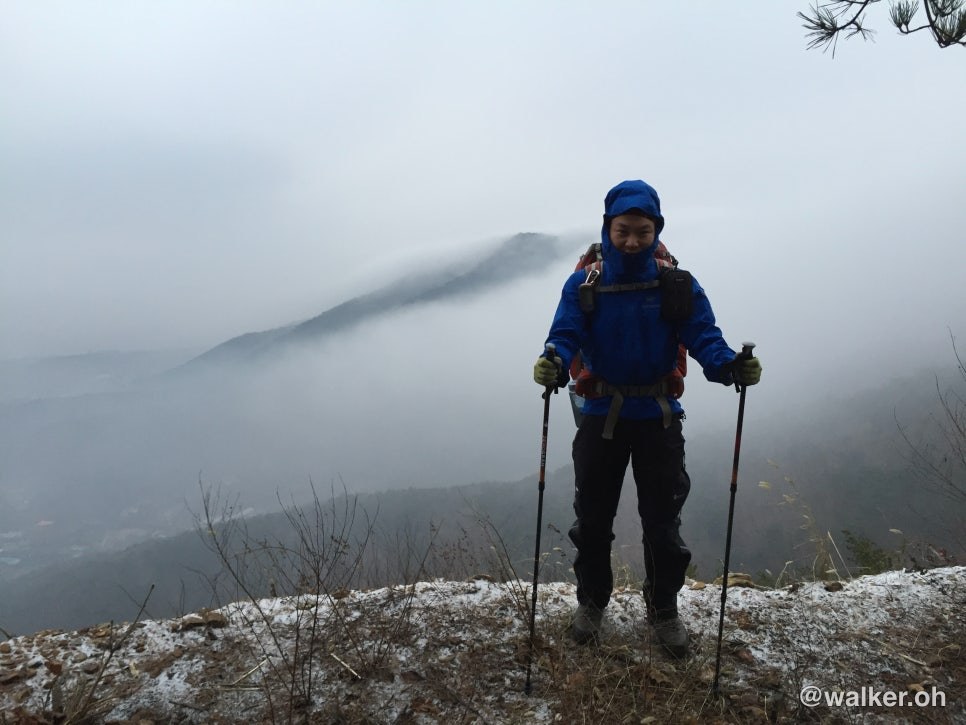
For winter, the basics are a jacket to keep you warm while you’re moving, a puffer for when you stop to rest, and winter hiking pants. Your base layer can be the same moisture-wicking, quick-drying kind you’d wear in summer. That said, you sweat a fair amount while hiking, so don’t hike in a puffer jacket.
You want to wear a windbreaker while moving, and pull out the puffer to put on when you rest. And all of this has to fit inside your backpack.
What to Pack in Your Backpack
Previous image Next image
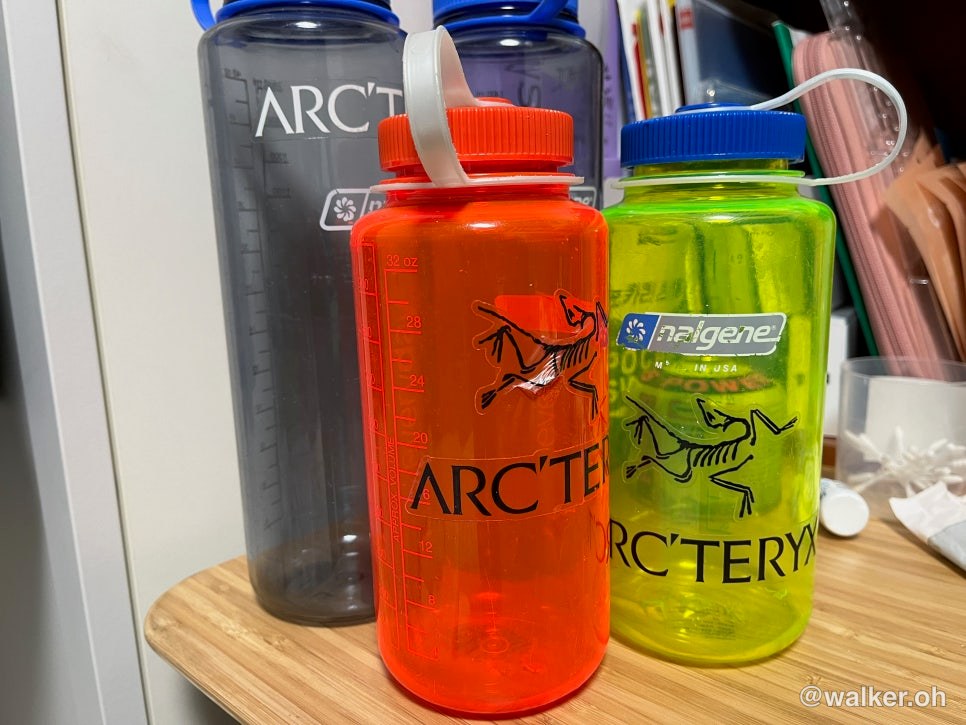
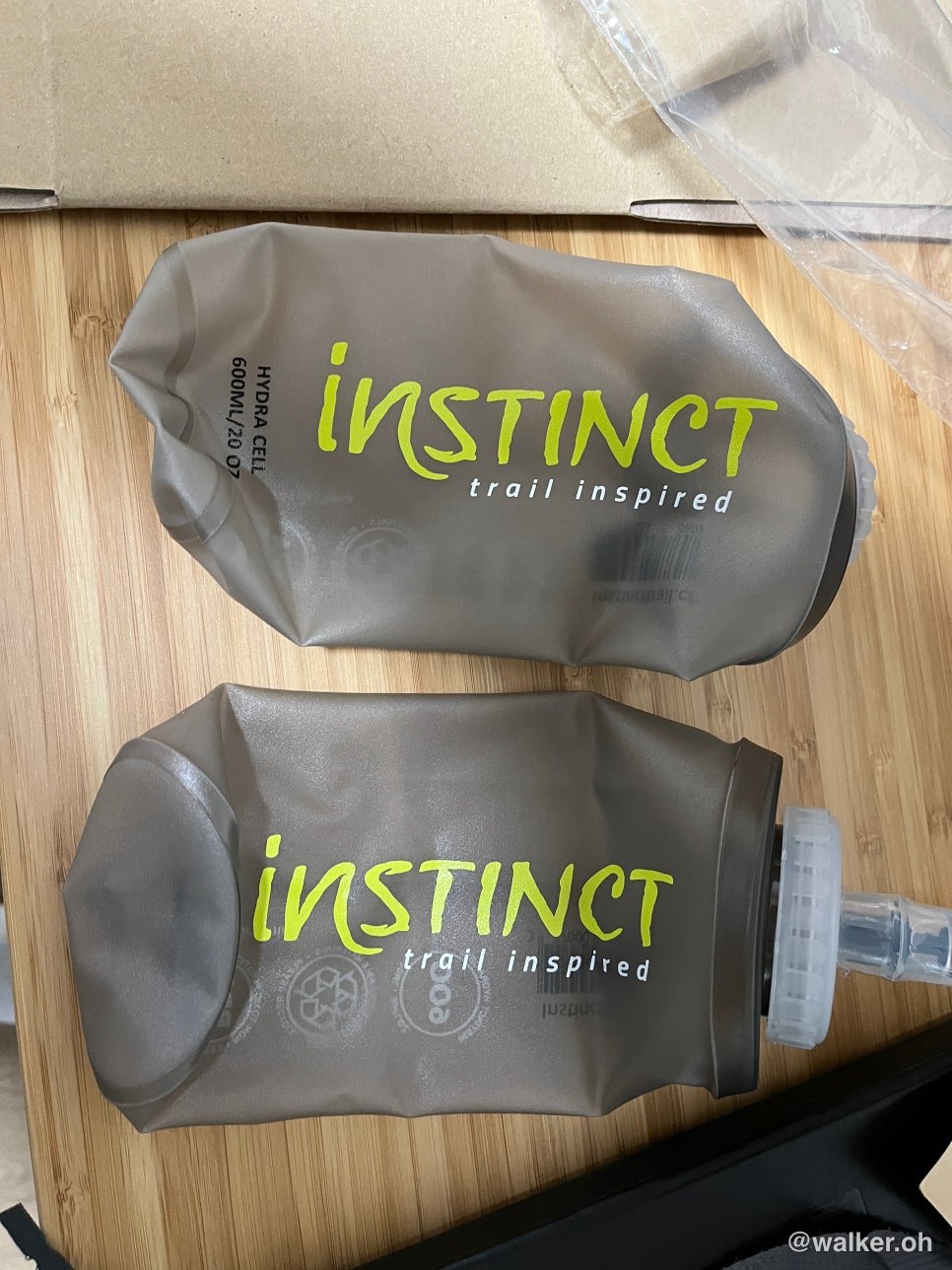
Water bottle
There are plastic bottles and silicone ones.
Plastic used to be the go-to for larger capacities, but these days you can find silicone bottles that hold up to 2 liters too.
Just pick whatever suits your needs. Silicone bottles generally cost more.
Headlamp
Hikes in national-park-level mountains often start before dawn.
A headlamp for going up and coming down, plus spare batteries, are absolute essentials. Make it a habit to always keep them in your pack.
Some people use their phone’s flashlight as a stand-in for a headlamp, but losing the use of one hand can put you in some really dangerous spots. A cheap headlamp is fine — just make sure you have one.
First-aid supplies
Funny enough, you’ll sometimes find yourself hurting on a hike. Antacids and painkillers, in particular, come in handy now and then.
I pack antacids, pain-relief patches, mosquito repellent, sunscreen, and wet wipes all together and carry them in my pack.
Trail food
Trail food refers to the kind of food you eat to steadily top up your calories while you’re on the move, rather than sitting down for a meal.
The ones I’d recommend are things like yokan (sweet bean jelly), candy, and Pocari Sweat.
What I wouldn’t recommend are the chocolate-bar-type snacks (the ones often called “Free Time” here) — they take longer to digest than you’d expect,
and I find they don’t convert into energy right away. I’d recommend an energy gel over those any day.
Sometimes a hike is just 3–4 hours, but other times it stretches to 14.
Long or short, I prepare at least 2,000 kcal of trail food, stuff it in a pouch, and carry it in my pack.
Backpacking
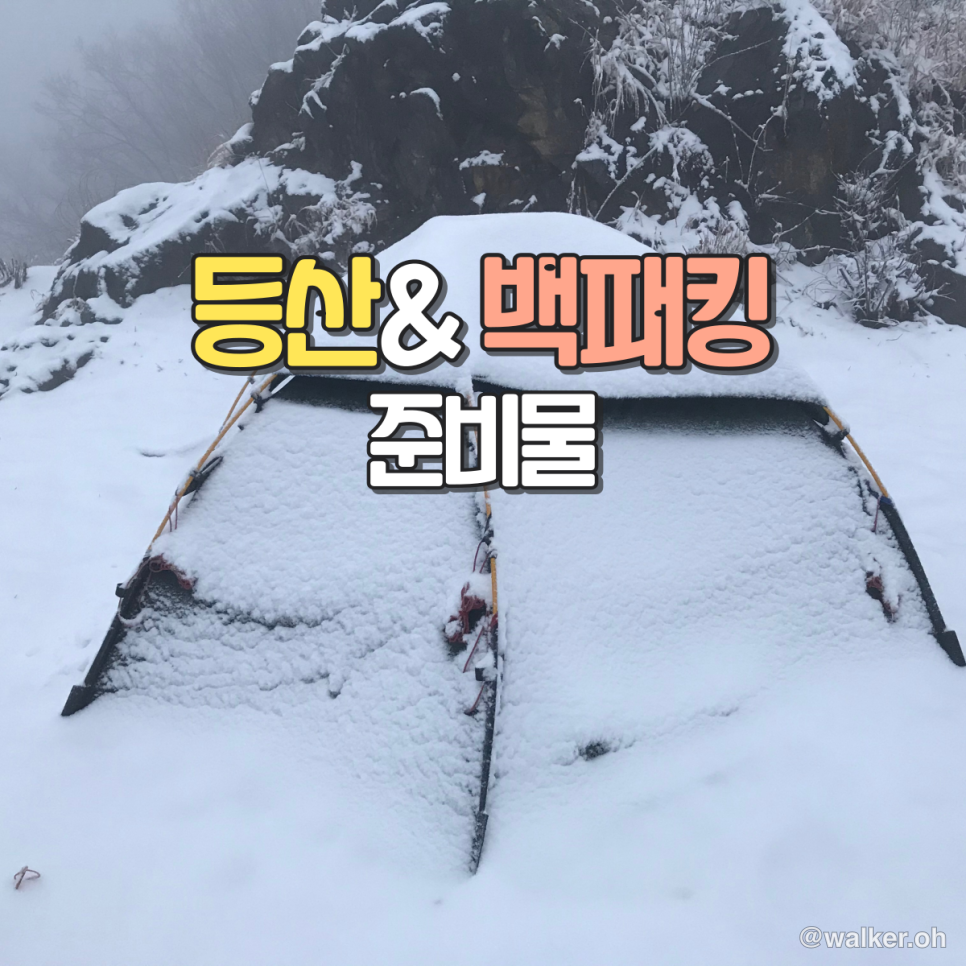
If you’re thinking about going as far as backpacking, here’s what you’ll want to add.
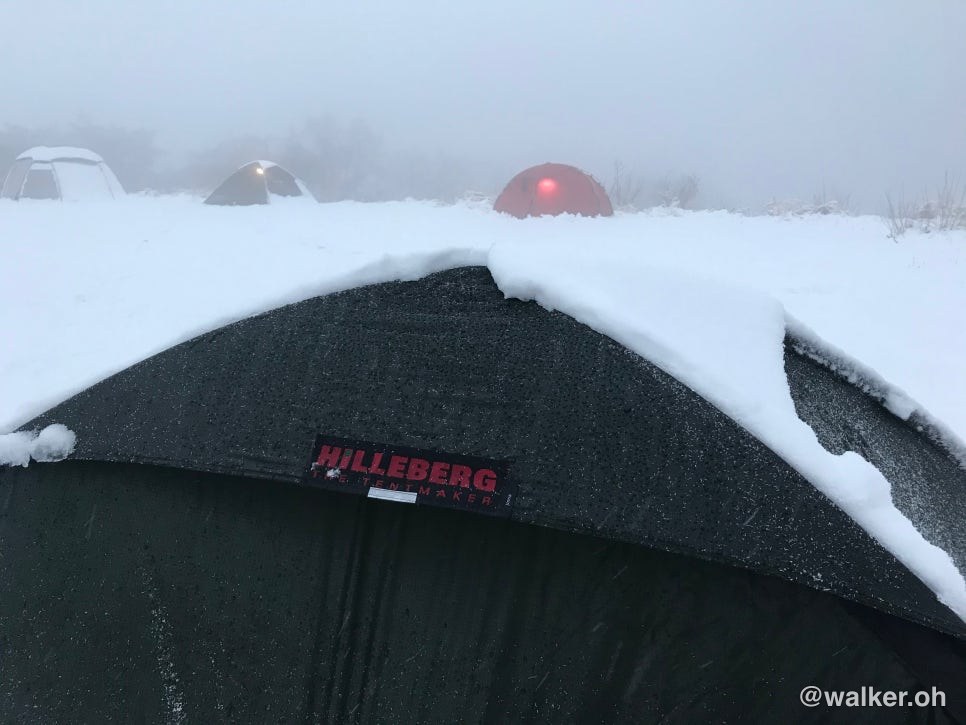
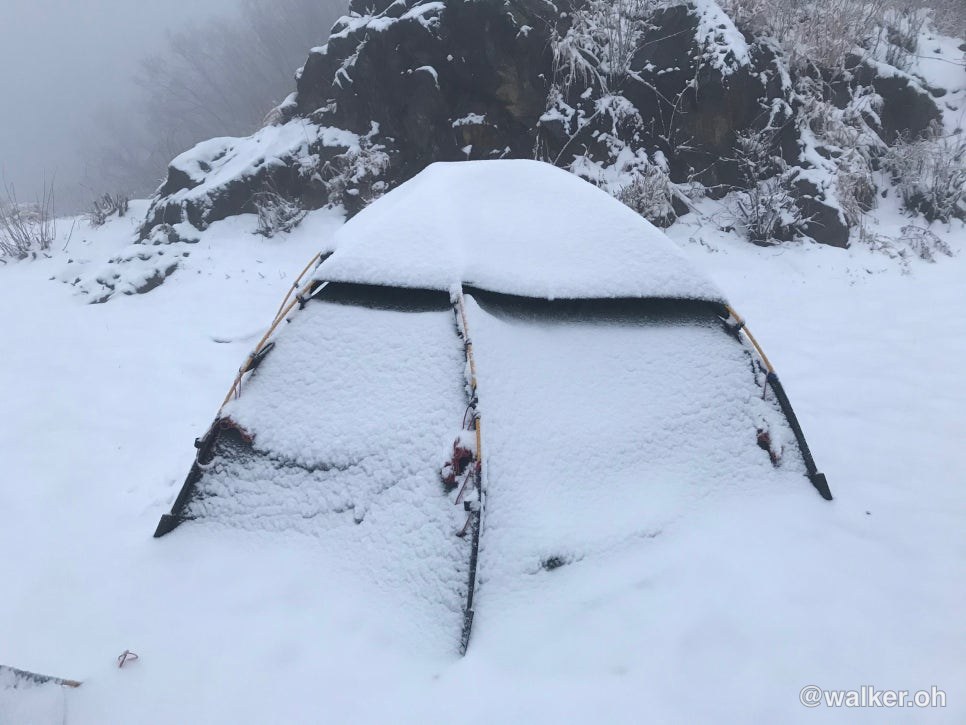
Tent
Previous image Next image
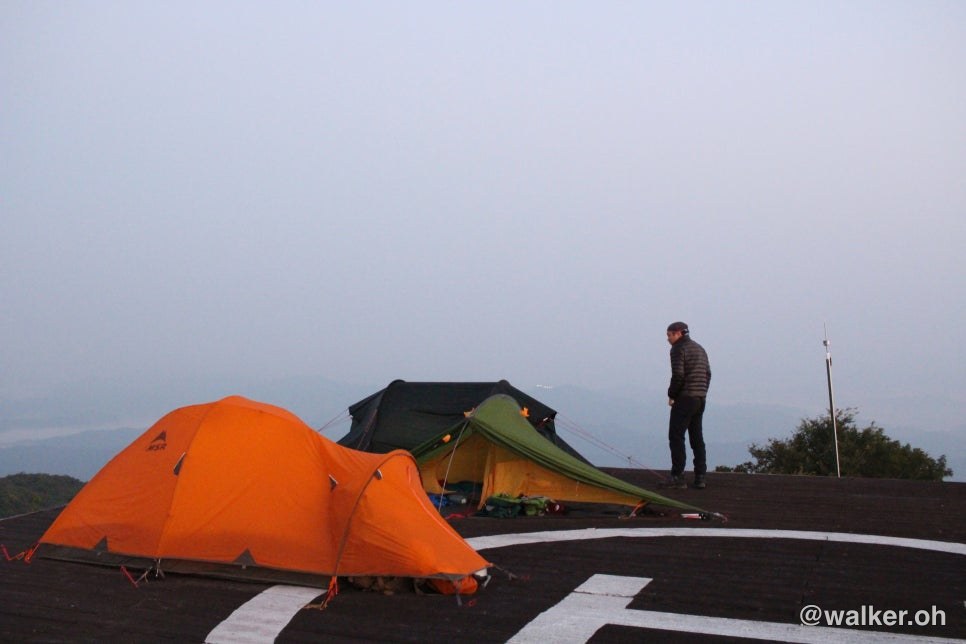
You’ll need a tent to keep out the cold, the heat, and the wind and rain, right?
A tent is a hugely important survival tool. It can be substituted with other gear — but only if you really know what you’re doing.
Sleeping pad
Previous image Next image
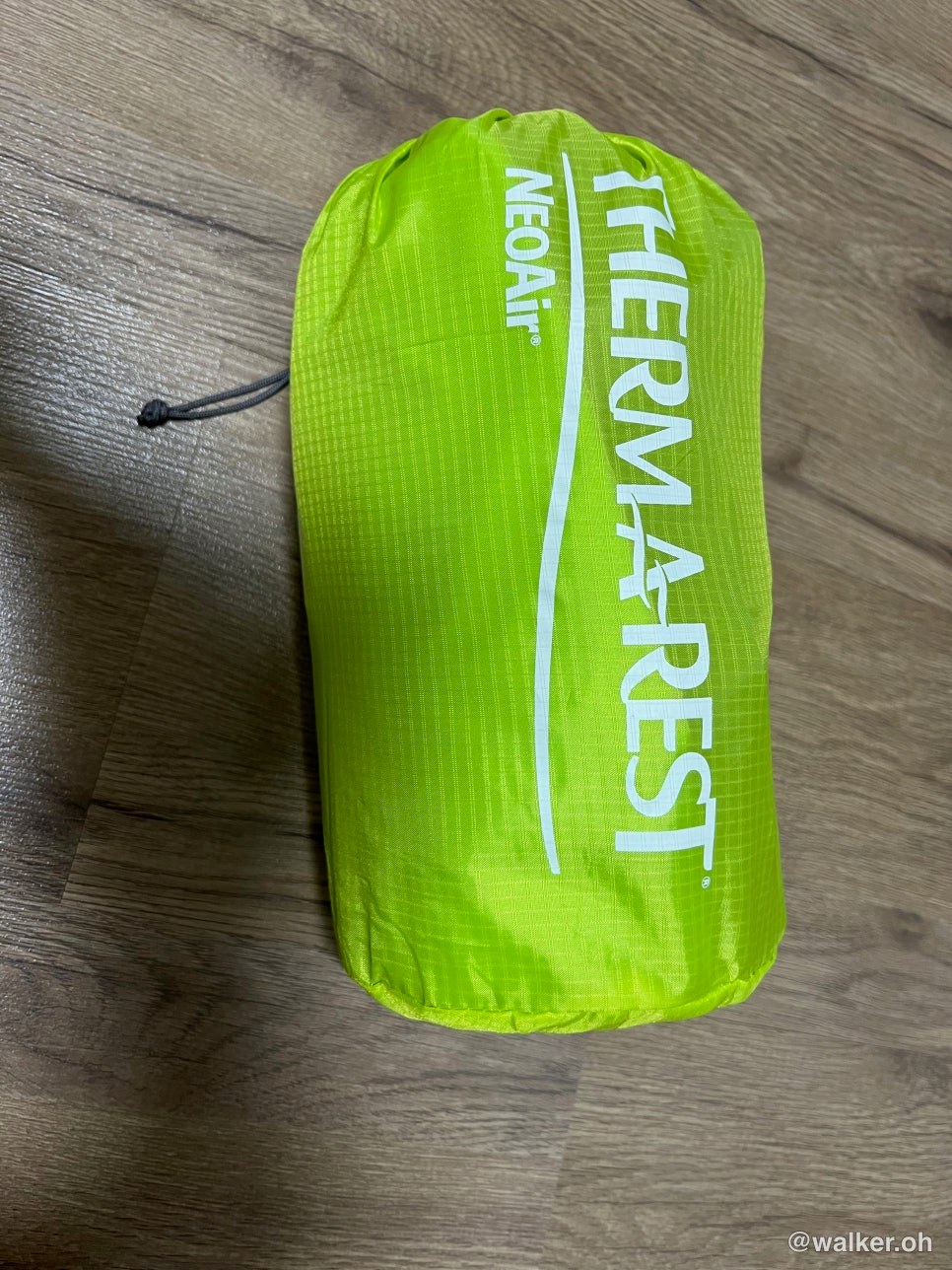
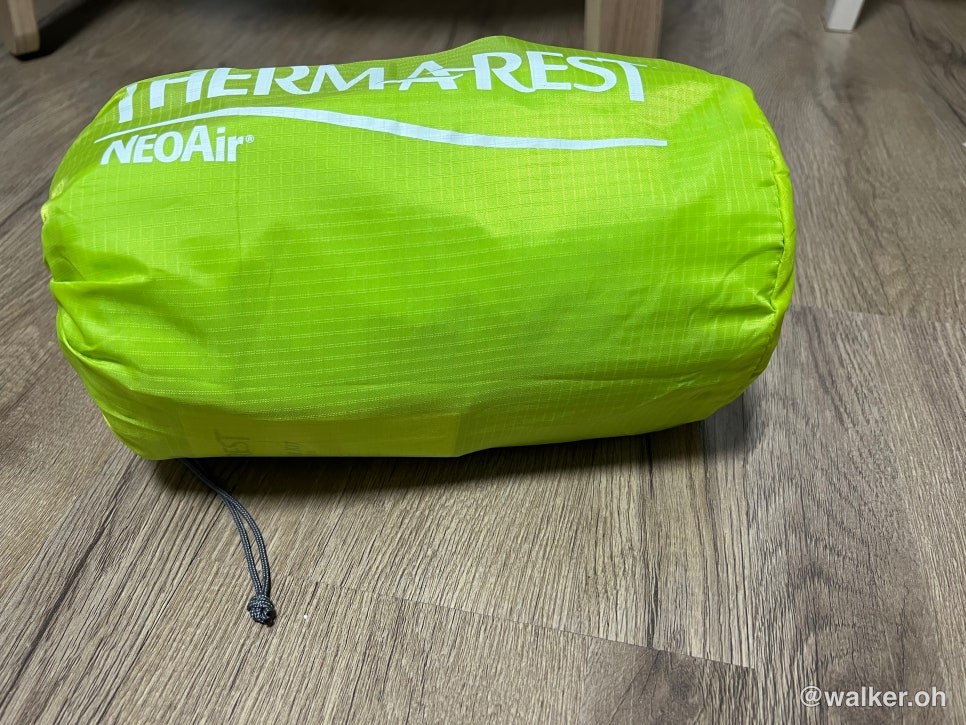
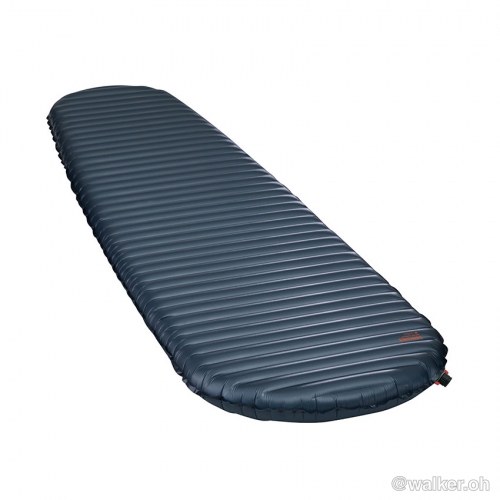
A sleeping pad blocks the cold rising from the ground and keeps the hard surface from digging into your back — an essential tool for getting proper rest.
Sleeping bag
Along with the pad, this is a really important piece of insulation. Whether it’s winter or summer, you need a sleeping bag suited to the season.
Cooking gear
Outside of national parks, there are campgrounds and other spots where cooking is allowed.
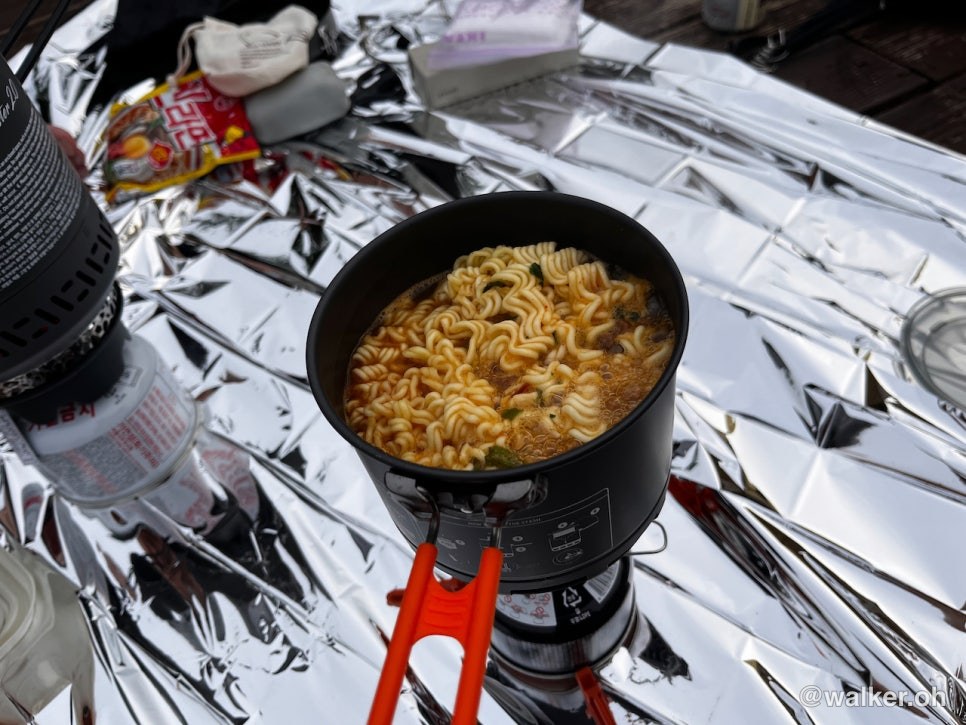
If you’re going to backpack for a night or more, you have to eat, so you’ll need the right tools.
That includes spoons, forks, a stove, and a mess kit.
Food
Quick meals, packed lunches, provisions.
Once you reach your resting spot, it’s time to eat.
After hours of hiking or trekking outdoors, you’re burning through several times the energy you normally would.
You need a solid meal and good rest to be able to walk again the next day.
So pack plenty of high-calorie food and quick meals, have a proper meal, and rest up.
Choose and Focus
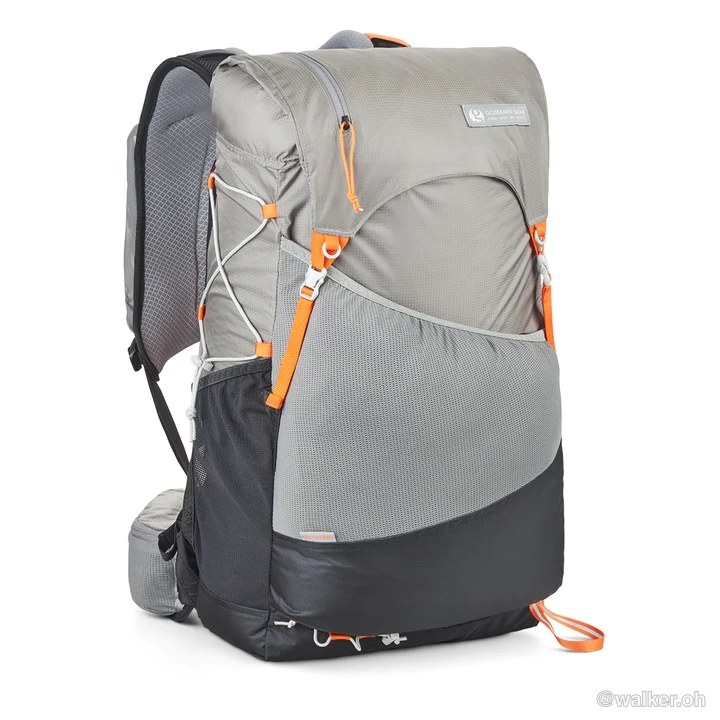
Just thinking about hauling all the gear listed above on my back is exhausting already.
That’s why we have to be selective and focus on what matters.
Sure, gimbap and a hot cup ramen eaten up on the mountain are incredibly tasty,
but they’re probably no match for samgyeopsal and soju after you’ve come back down.
Packing only the essentials into a small backpack, hiking at an easy pace, and then enjoying good food once you’re down
is a perfectly great way to do it, too.
Light Means You’ll Go Often
The basic idea of hiking is to keep some essential gear in a small pack and head out often.
The more you go, the more you’ll develop your own style — you’ll figure out whether you prefer going light or carrying a heavy pack for a full ridge traverse.
Hiking and trekking are tougher sports than you might think. But you get a lot out of them, too.
Start slow with nearby, low mountains, and once you work your way up to taking on a national park traverse, you’ll discover just how much fun it really is.
And that wraps up my rundown of hiking gear.
Thanks for reading.
#hikinggear #winterhiking #hikingcalories #seoulhiking #hikingequipment #tterak
Contact: bumseok.view [at] gmail [dot] com
Comments