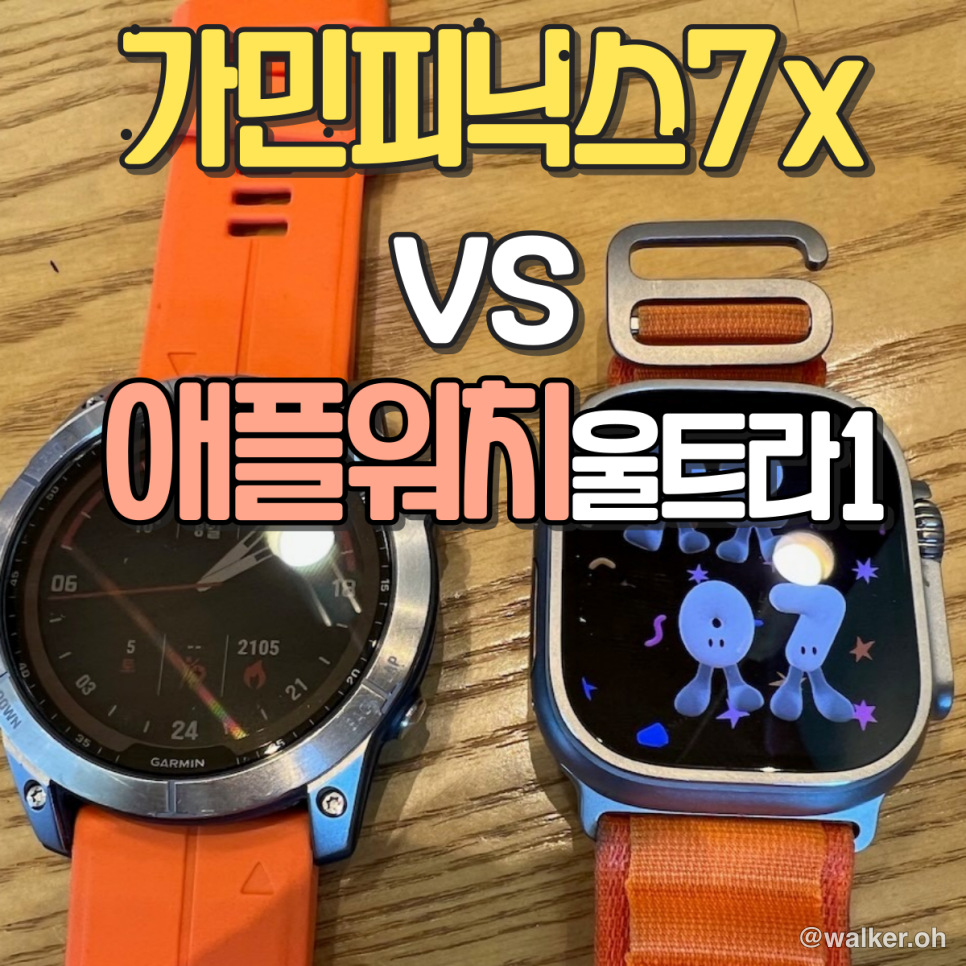
Apple Watch Ultra vs Garmin Fenix 7X: Hands-On Comparison
Gear · Published 11/19/2022 ·

This time I want to compare them from a real, hands-on usage perspective.
The upsides of the Apple Watch Ultra
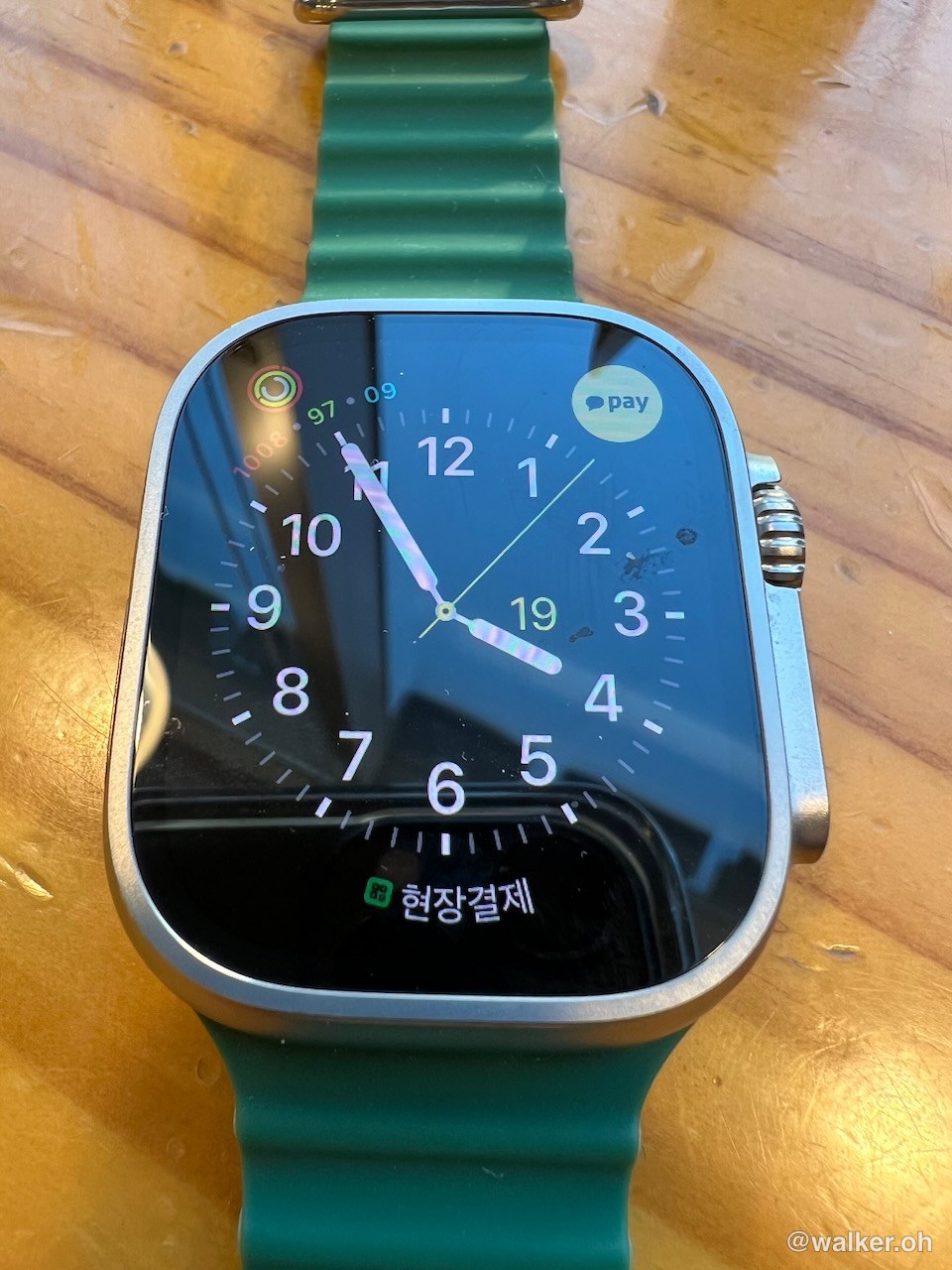
Nothing comes close to how well it works with the iPhone.
This goes without saying, but they’re made by the same company. Everything just feels like it’s working together as one. The seamless experience isn’t just smooth — it’s like breathing.
It’s always awake, always watching, and always handing you the results.
And this time around, the battery capacity went up too. That means fewer charge-and-discharge cycles.
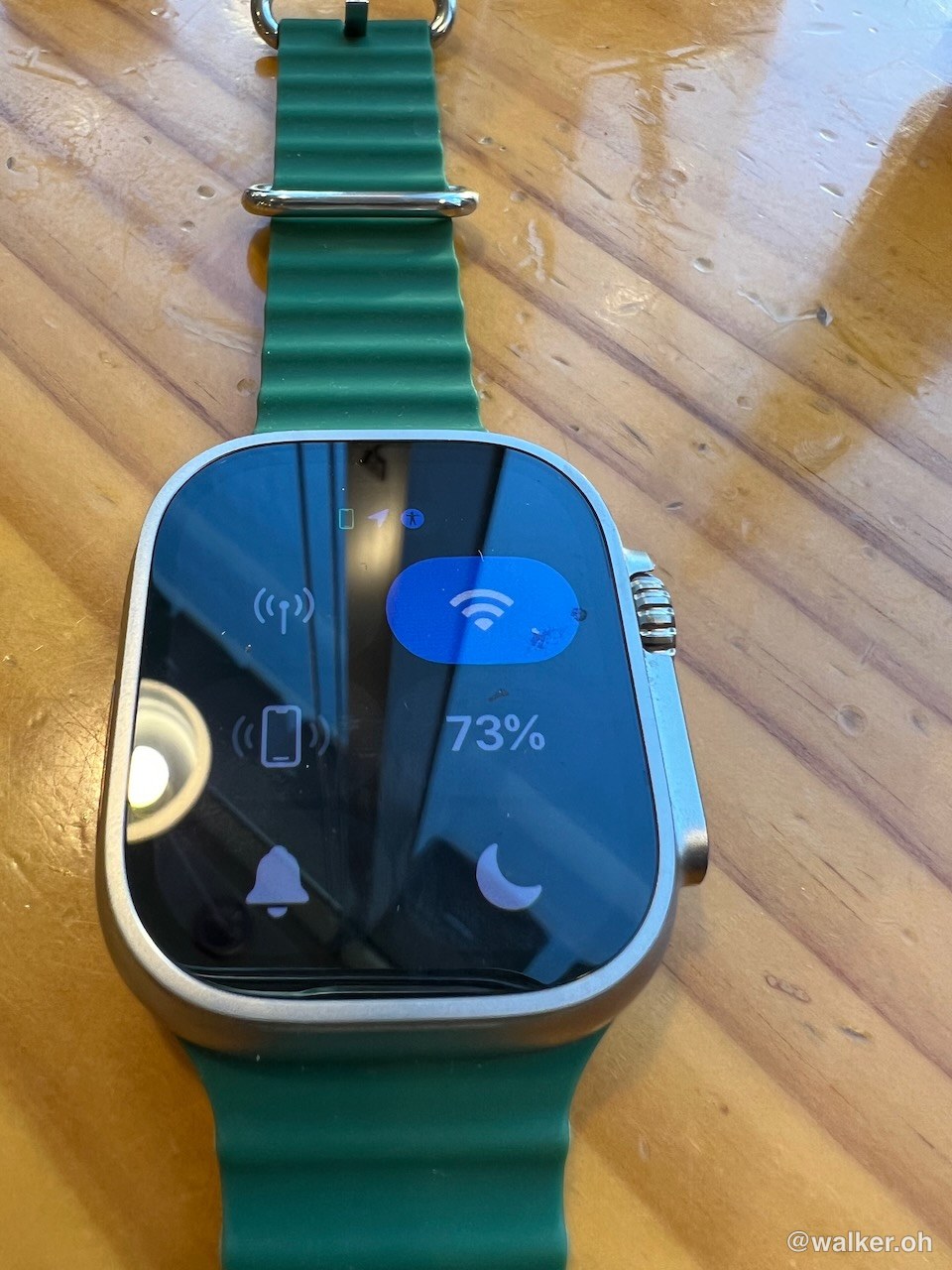
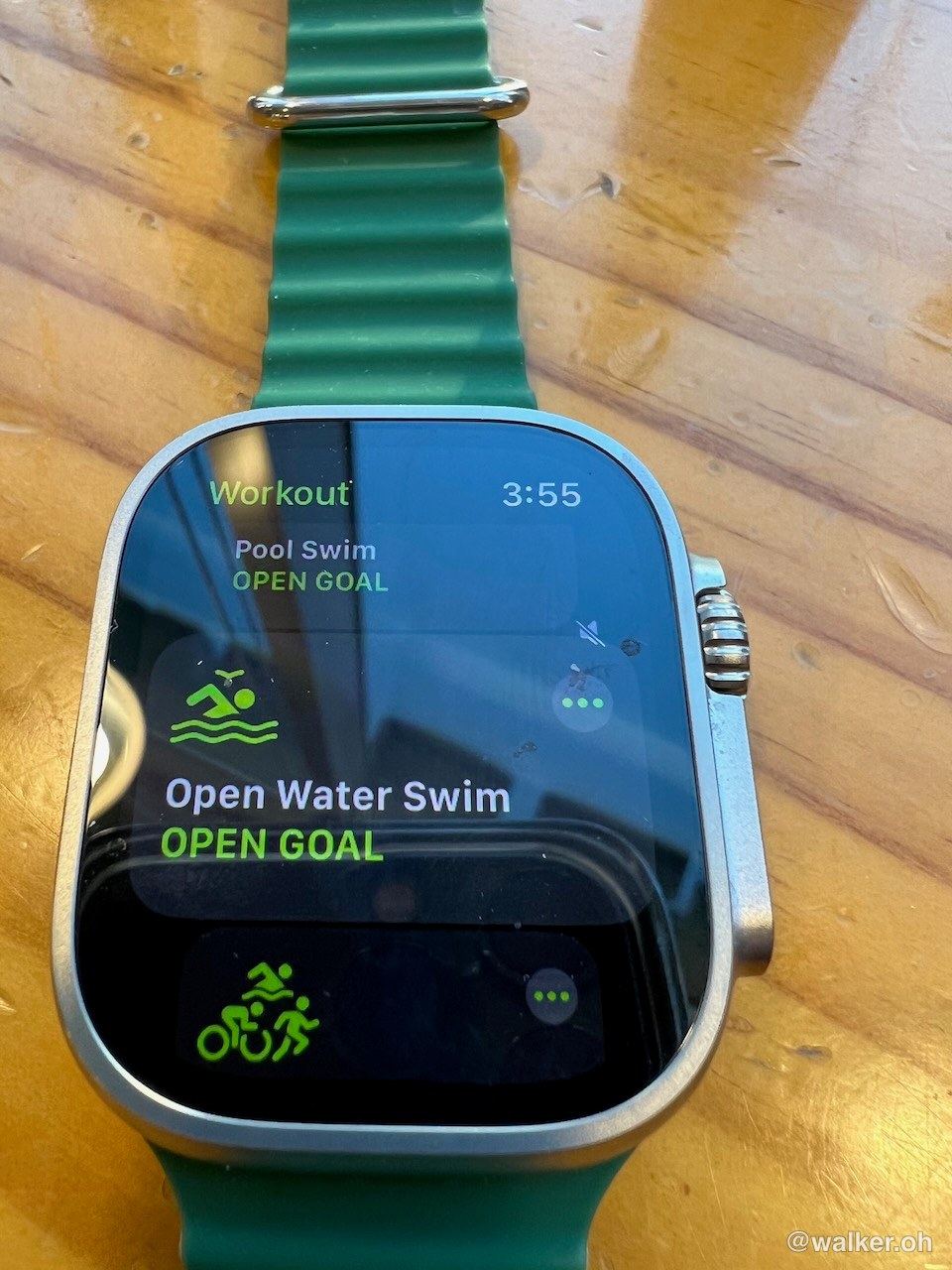
They’ve also added workout modes like triathlon. The older Apple Watches couldn’t last long enough on a single charge to get you through a full triathlon, so I’m guessing that’s why they added it this time. (That’s just my personal take, and I could be wrong.)
The downsides of the Apple Watch Ultra
They’re surprisingly passive when it comes to software development.
For example, they don’t seem all that aggressive about workout analysis. Features like estimated sweat loss or a workout guide tailored to how your body’s doing on a given day are relatively thin.
Sure, a strategy of steady, ongoing improvement is fine. But consumers want something they can actually use right now.
The catch is that you end up needing a second purchase — a more specialized app. And whether that app is actually any good is a whole other question.
There’s no guarantee the updates will keep coming, either. More apps get discontinued than you’d think.
The upsides of the Garmin Fenix
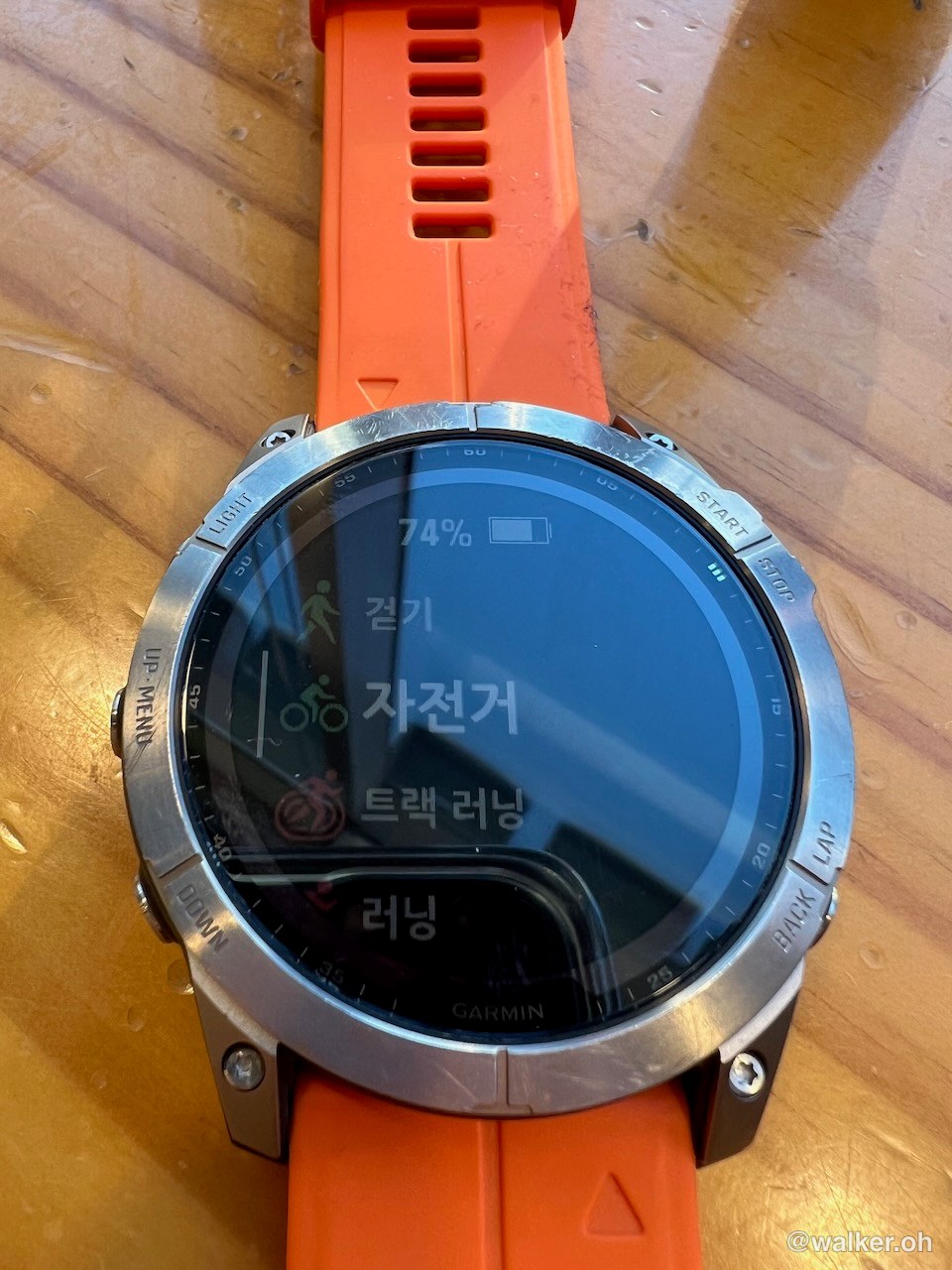
First off, it’s dead serious about sports.
It offers a ton of sport modes, each with its own guidance and analysis.
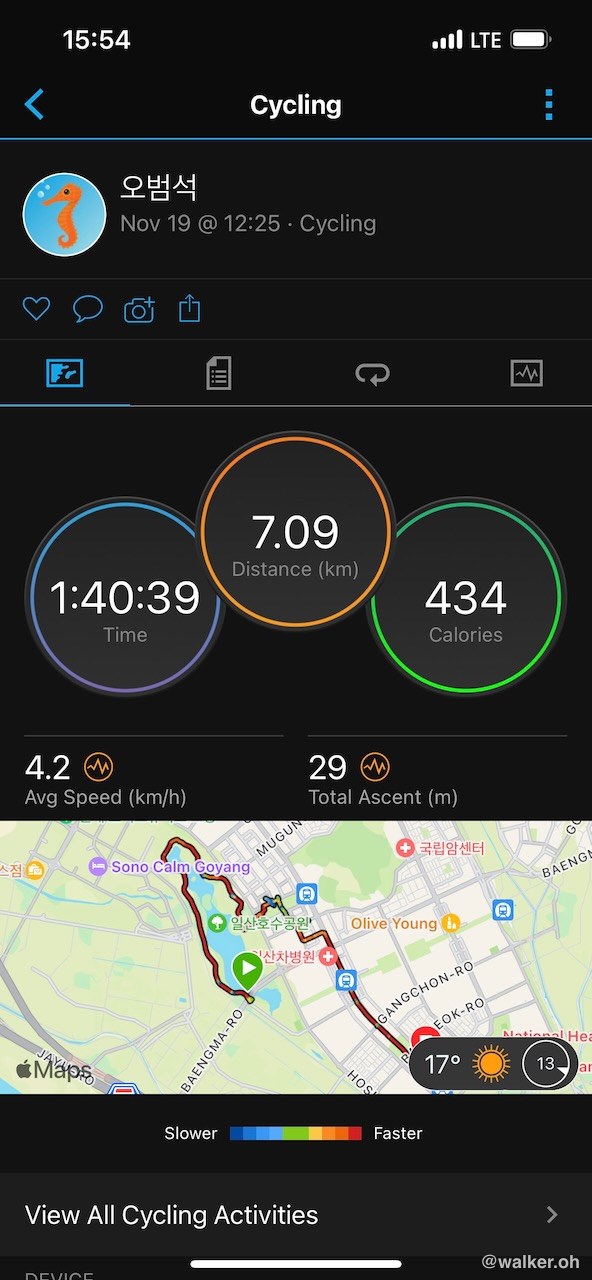
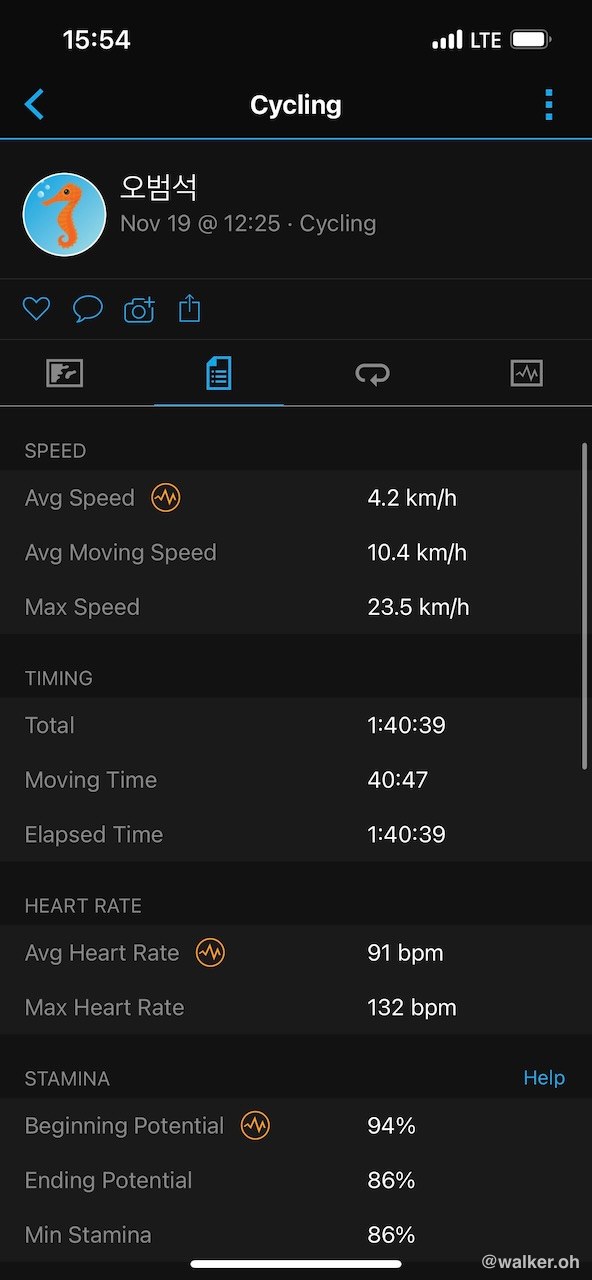

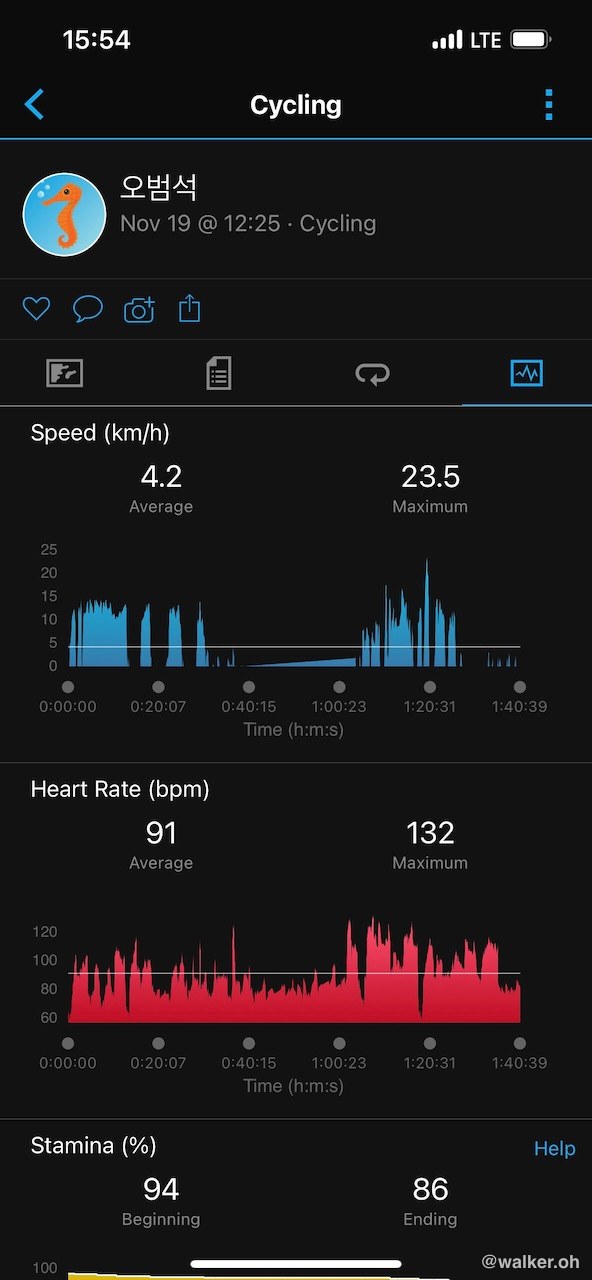
Take hiking mode — it gives you a map and comes with a built-in navigation mode that guides you back to your starting point.
When you finish a hike and save it, it analyzes the session and shows you estimated fluid loss and calories burned, then tells you how long you’ll need to recover (rest) — by the hour or as a daily figure. It nudges you toward getting enough rest.
It calculates your VO2 max and even explains how to improve it. It suggests an appropriate amount of exercise based on how you’re feeling that day.
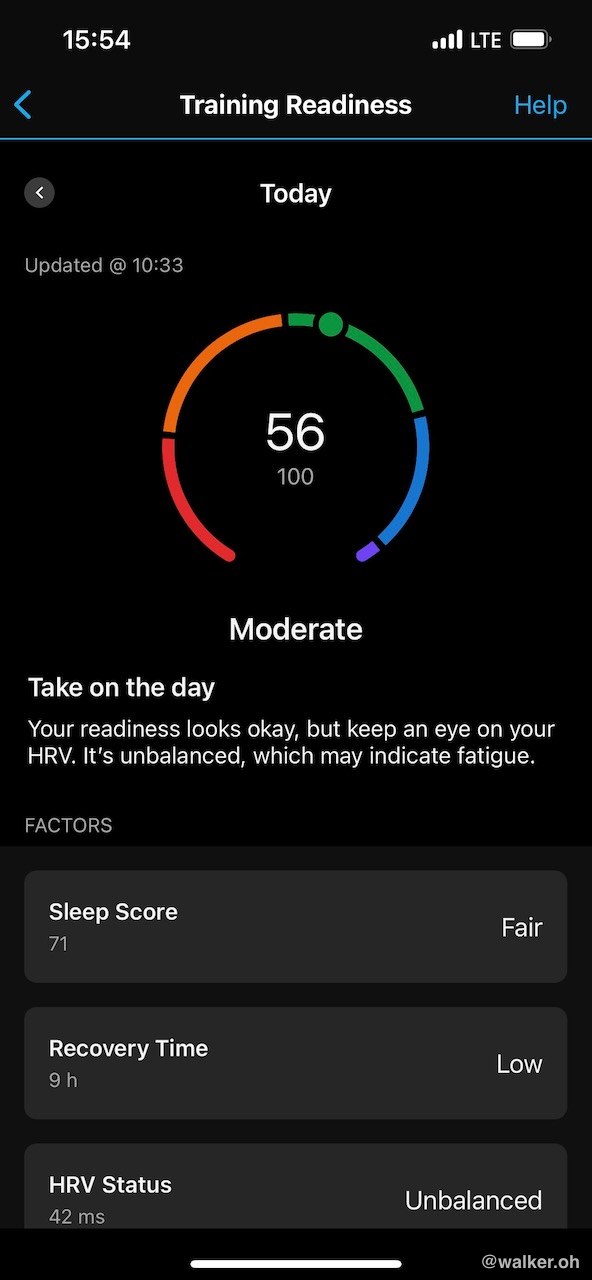
It also works out your Body Battery (your physical energy) and makes suggestions based on it.
What’s wild is how accurate it is — it’s genuinely caught me off guard.
For instance, after a night of drinking, your mind feels like it got plenty of sleep, but apparently your body says otherwise. I wear the watch to bed to track my sleep and such, and it calculates my Body Battery. On nights I’d been drinking, the amount of Body Battery I recovered was extremely low. That’s how I figured out that after drinking, it’s genuinely hard to work out for about two days.
The downsides of the Garmin Fenix
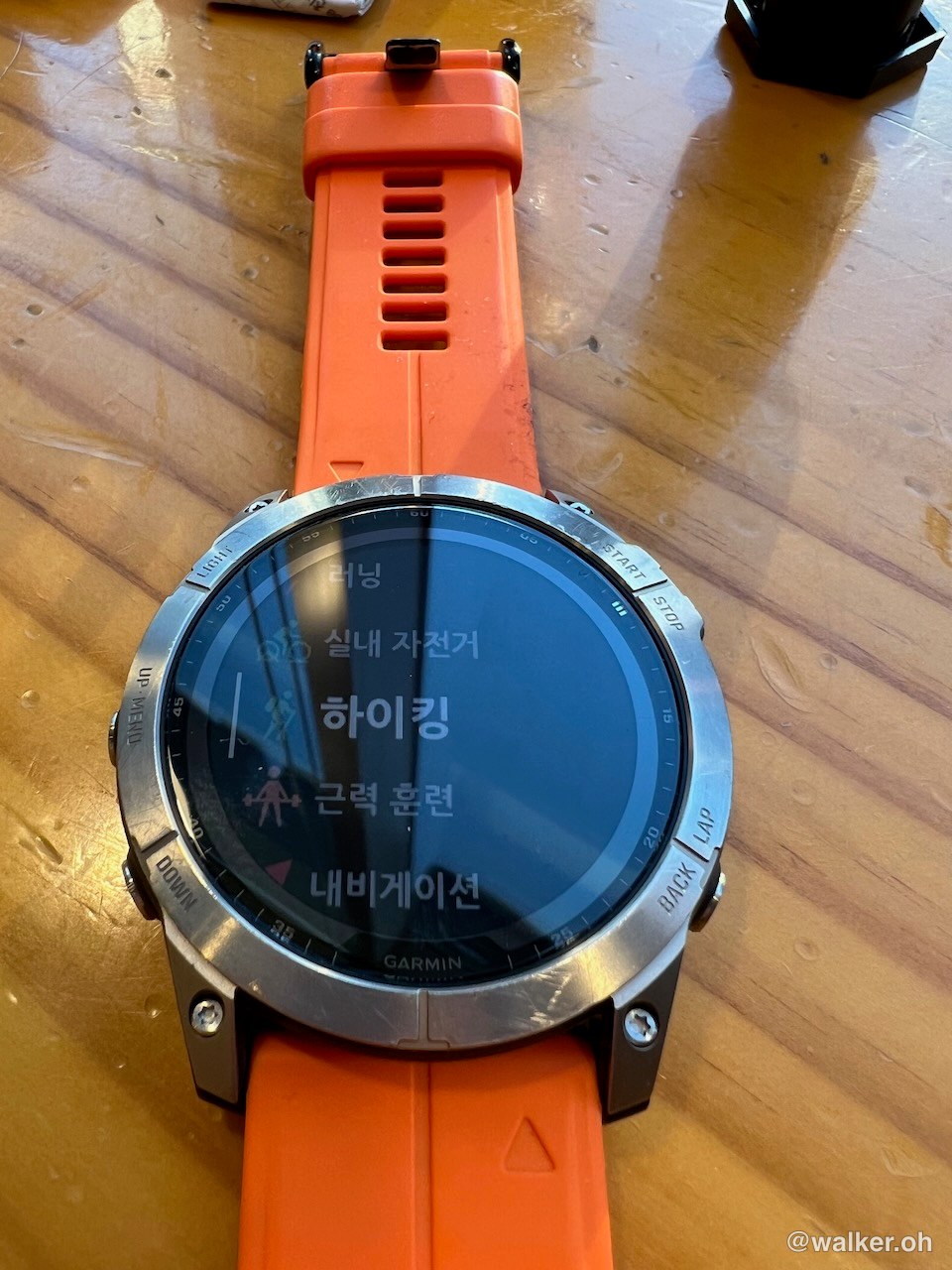
The interface is clunky.
Once you get used to it you only end up using the features you actually need, so it doesn’t bother me that much — but it’s still not what I’d call easy.
It does have a touch interface and gestures, but compared to the Apple Watch it still feels awkward and dated. That said, there’s an upside: you can operate it without taking your gloves off.
The screen readability is honestly absurdly worse than Apple’s. It’s basically still using 1980s-era TFT LCD tech, so it’s hard to read. Sometimes, just to check my data, I have to move into the light or into the shade, or cup my hand to make or block a shadow. It’s a little annoying each time.
The market share is low. Which is another way of saying it’s not mainstream. Most of the time I end up ordering accessories from AliExpress, and the selection isn’t exactly wide.
So, which one should you pick?
— Garmin —
For people who are genuinely serious about training, who want to wear it all the time to monitor their body’s rhythms and actually put that log data to use. And for anyone who wants zero hassle when an unplanned business trip or vacation comes up — I’d recommend Garmin.
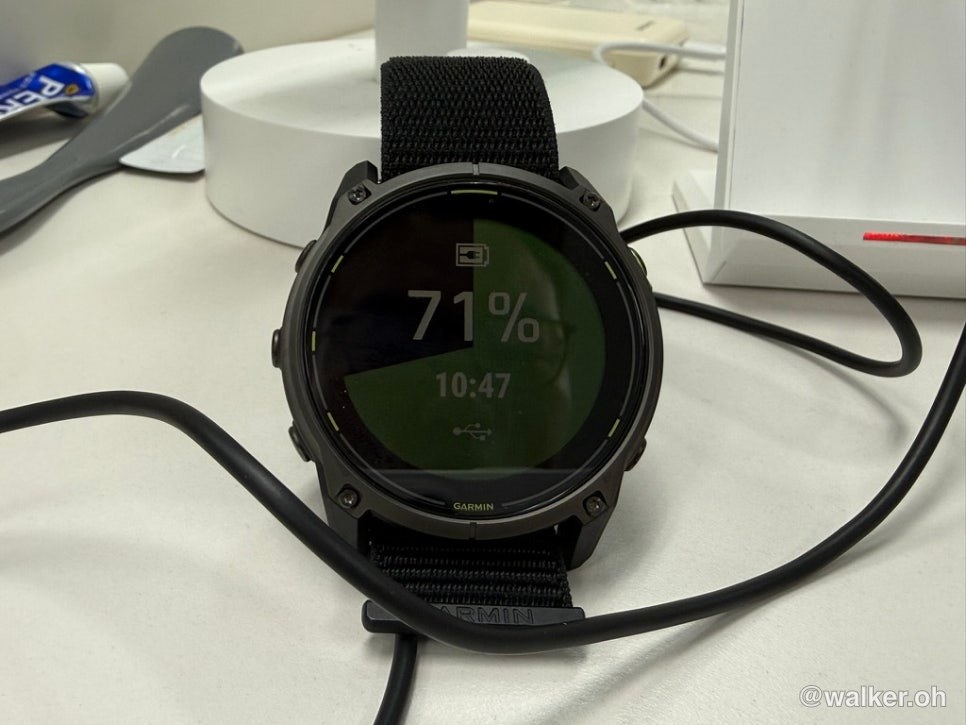
In my case, one charge a week uses up about half the battery. That’s with plenty of GPS-based activity during the week — cycling, running, you name it — and there’s still battery to spare, so a sudden business trip or a 3-to-9-night outing poses no problem at all.
Quality over looks, professional training guidance, accurate feedback and insight into your body’s rhythms — for all that, I still think Garmin is the better choice for now.
— Apple —
For people who want seamless integration, a pretty design, and who are very regular and well-organized in their habits, the Apple Watch Ultra is a fine choice too. Battery that lasts more than two nights falls comfortably within the range of something you can plan around. Carry a charging cable, or buy a spare, and you can stretch the journey even further. And if you’re the type who enjoys buying and trying new apps, you might get even more out of it.
— As for me, the one writing this… —
I think I’ll wait and see how the second-generation Apple Watch Ultra turns out before deciding. For now, I’m staying put.
A battery that still doesn’t last very long — no matter how gorgeous the screen is, once it dies, it’s all for nothing. I just don’t want the hassle of charging. ^^;;
I don’t really know which analysis apps for hiking, cycling, and the like are any good, and frankly I can’t be bothered to look into it. As someone who barely even glances at his phone, it would obviously be a giant chore for me. The apps Garmin provides are still plenty for now.
That said — if they ever slip up on software quality or server upkeep, like a few years back when hackers seized their servers and updates ground to a halt, I’ll toss it straight into the trash bag and go shopping for something else.
#AppleWatchUltra #GarminFenix #GarminFenix7X #GarminVsApple #GarminFenix7XvsAppleWatchUltra
Contact: bumseok.view [at] gmail [dot] com
Comments